Genuine question.
I know they were the scrappy startup doing different cool things. But, what are the most major innovative things that they introduced, improved or just implemented that either revolutionized, improved or spurred change?
I am aware of the possibility of both fanboys and haters just duking it out below. But there’s always that one guy who has a fkn well-formatted paragraph of gold. I await that guy.
You must log in or # to comment.
The document-centric model of desktop applications largely originates from the early Mac. How do you open a document in a desktop OS? You double-click on the document, and the OS finds the correct application to open it with. That was a Mac thing. On most other systems of the mid-1980s, you run your application program (from the command line) and then tell the program to load a file.
Applications as “bundles” of code and data was a Mac thing too, starting with the resource/code division in the classic Mac System. Rather than an application coming with a mess of directories of libraries and data files, it’s all bundled up into a single application file that can contain structured data (“resources”) for the GUI elements. On a classic Mac, you could load an application program up in ResEdit and modify the menus, add keyboard shortcuts, and so on, without recompiling anything.
The Apple Newton had data persistence of a sort that we now expect on cloud applications like Google Docs. Rather than “saving” and “loading” files, every change was automatically committed to storage. If you turn the device off (or it runs out of battery power), you don’t lose your work.
The document-centric model of desktop applications largely originates from the early Mac.
Originates from Xerox PARC. I see you discuss this below, it was Xerox BOD that couldn’t see beyond their nose and sold it to Apple. From Jobs own description of being blown away by Xerox, it sounds like he would have never thought of it.
Polish.
It useless to be first if that product isn’t reliable, sustainable, practical. Apple adds polish to other concepts to make them usable by the vast majority of people.
Laptops existed……with weird keyboard layouts and mice that were afterthoughts. PowerBook pioneered the keyboard forward design that every laptop now has.
Smartphones existed……incredibly limited, weird UI, awkward input, targeted at businesses instead of regular people. iPhone changed everything so much that every other design died.
Collecting different innovations and figuring how to combine them in a way that is practical and sellable is their continuous innovation.
I’m sorry but this is kind of horseshit. Apple has legitimately brought some new polish to areas that hadn’t seen them before, but LMFAO at Apple inventing laptops that don’t have weird keyboards.
Apple had great trackpads with multi finger gesture support before anyone else, their keyboards have been nothing special compared to ThinkPads and business grade laptops that sold for the same price as them. Their difference was marketing and convincing consumers to pay business grade prices for consumer laptops.
No kidding huh. The fanboys are rewriting history as if only Apple can figure out a laptop.
Agreed. They didn’t really “innovate” anything. They stole ideas from other people, and just marketed it better.
The iPhone. It was revolutionary when it came out.
It literally created the modern smartphone market. The Palm Pilots and Blackberries of the day couldn’t compare: the iPhone had a FULL BROWSER. It was insane. The team developing Android saw the iPhone and had a real “holy shit” moment, they had to go back to the drawing board and completely start over in order to compete.
Full browser might be an overstatement. It was still a web full of Flash at that time. And it caused a pretty major limitation on the browser. If there wasn’t an app available, you were often SOL. I do think it sped up the demise of Flash on the web considerably.
Sure, a browser minus Flash, but it was still a real browser. Most of the web functioned without Flash. And none of the competition even had anything close. It was such a revolutionary product that the iPhone didn’t even HAVE competition until Android got its shit together, which took a couple years.
deleted by creator
Nope, there was a lot of Windows Mobile smartphones before iPhones and Androud devices. WiFi, Bluetooth, GPS, phone, thousands of apps, “full browser” (I don’t know what a commenter meant by that, but I could use internet normally)
When iPhone appeared, it was sooo limited. A couple of my regular customers (I was selling qtek/htc smartphones) bought them, but then came back to me: “uhhh, this thing doesn’t allow attachments in emails”, “uhhh, do you have normal maps app for that? can’t drive with that”Them building a smartphone around a capacitive touchscreen with a software keyboard was the primary innovation of the iPhone.
A full browser that rendered webpages is not an innovation, that’s a result of increased processing power letting them port more browser code over. Pinch to zoom interfacing on a browser might be an innovation, but a web browser on a mobile phone was not innovative, just iterative.
All the browsers were complete shit though. That was iterative but it felt huge.
Imma let y’all finish but the Palm Pre was the GOAT
Apple is good at making existing tech usable by people who don’t have time to bother learning the new tech.
Hard disagree. Android user here. The number of times if had to show iPhone users how to use their shit is annoying.
Workflows agree no better on a fruit phone than an Android device half the price.
I’ve gotta be honest, it feels like it takes several more steps to do anything on iOS than on Android. Finding anything is a chore, it’s slow in favor of long animations, and settings are so far out of the way or non-existent, that it’s so difficult to troubleshoot issues.
Personally, I don’t think iOS is any easier than Android, it’s just that Apple strips away everything that your grandparents don’t need, but that regular users could really benefit from.
If you define innovate as invent something from scratch, then they did not innovate anything. Everything they’ve done has existed prior to them doing it. But under Steve they took those inventions and made them more usable and appealing to the common man.
That’s their strength really. Make stuff easier and more enjoyable to use.
Unfortunately that has led to lock-in in order to hold onto customers. Yes, they give you convenience but you’re bound to their products.
I first realised this when I had an Apple Watch and iPhone 7, then sold my iPhone and got an Android phone and the Watch became useless. Even though I had 3 Mac’s and an iPad Pro, they couldn’t work with Watch. You HAD to have an iPhone.
So I sold the Watch.
Then I paved over MacOS with Linux and I’m happy. Free to use whatever, whenever, however I want to, and added YEARS to the life of my mac’s which both had come to the end of support of MacOS.
My 2015 MacBook Pro and 2012 Mac Mini would be useless now if I was running OSX/MacOS and many apps wouldn’t be supported or even work. New apps definitely wouldn’t be supported because Mac Devs love to drop support for older versions.
On Linux they run great! Fast, fluid, can run any latest app no problem. I think Linux has probably added at least 10 years into the life of these machines.
I had never thought of wiping an old mac and putting Linux on it to give it a new life. That’s a great idea! Thank you.
Enjoy 😊
Hmmm. Distro?
Linux Mint Debian Edition. But if you install Ubuntu or a distro with the latest gnome, you’ll get all the Mac trackpad gestures as well. Cinnamon doesn’t support that yet
interesting, i find generally woman are more into apple products (or at least equally) in my experience. Does the data indeed show that only men found Apple products appealing at first or something?
No idea buddy. I think men lean towards tech more than women, generally, so men tend to be early adopters
You wrote “Steve they took those inventions and made them more usable and appealing to the common man.” I assume you had data to back up the male orientation? Which is why i asked. I mean you’d have said “common people” if you were referring to all humans i assume?
Must be a typo. What I meant was Steve Jobs and his company took existing tech but made it appealing and usable by the average person.
oh ok my bad thanks 😀
Designing phone ui for fingers first. While there were many other touch phones, many of which could be used with your finger(especially if you were a hipster, you could modify them to be more finger friendly), their ui was primarily designed for stylus use. This is a huge point that basically defined the OS and app design for the next 15 years.
Making capacitive screen popular. Before iphones, almost all(all?) phones had resistive touch screen, which required you to actually push your finger on the screen to do stuff. This was fine with stylus, less fine with finger. Capacitive worked with the lightest touch, which gave a smoother user experience.
Made multitouch mainstream and a core part of touch interface. Again, older touchscreen phones were mostly made to be used with a stylus, so multitouch wouldnt make much sense.
It is important to note that one of the reasons apple succeeded was because nokia was too stubborn and late to adopt and promote touchscreen phones. Thats why while nokia was the phone bid dog of that day, users had turned to sony ericsson(SE) for their flagship, touchscreen phones.
And for 5 years before the iphone, people were using phones like the p800, that had a large touchscreen and even a removable keyboard for that full touchscreen experience. SE had taken nokia’s symbian OS and made it more touch friendly. Nokia continued releasing super capable(great cameras, video, fm radio, etc) but non touchscreen phones or with a small touchscreen for years after that, allowing SE to dominate that market. For example nokia released the 6600, which was a great phone but didnt have a touchscreen and its screen was small in comparison to SE’s touchscreen flagships.
The first iphone had a terrible camera and couldnt even film videos. Something that other “smart” phones could do for many years. The first iphone didnt have third party apps. Competitive smart phones had had apps for over a decade. The first iphone wasnt 3g, couldnt share stuff over bluetooth, etc. It was a pretty but pretty stupid phone in comparison to the competition.
But over time, apple kept improving, catching up and often surpassing competition in every aspect. I remember when iphones had shitty resolution and when apple caught up, they advertised it as retina display. Nowadays, iphones are the best or almost the best in everything. Now if only apple gave 120hz refresh on base iphones and a faster charging rate. And werent closed garden assholes.
The “fingers first” part is ironically why the Apple Pencil took so damned long to come to fruition. Steve Jobs outright refused to allow a stylus for the iPad, because his whole marketing thing with the early iPhones was that you didn’t need a stylus. So he refused to allow development of the Apple Pencil.
Then once he died, Apple quickly pivoted and began developing the Pencil, so they could start marketing the iPad towards digital artists. Because the company had recognized the large void in the digital art world years prior, but Jobs had refused to allow the Pencil the entire time. Once he was out of the way, the company’s leadership was free to begin development.
It’s notable because it was one of the first big examples of Apple veering away from Jobs’ wishes after his death. It proved that the company wasn’t going to simply remain in his shadow forever.
Before iphones, almost all(all?) phones had resistive touch screen, which required you to actually push your finger on the screen to do stuff.
I remember the resistive touchscreens! My dad had bought a BlackBerry (oh man I miss them) for his business work and it had those screens. It definitely took work to get used to because my mom was using a Samsung Galaxy Y at the time… Smallest screen ever but that capacitive touch screen 🤌🏼.
As for the rest of your comment, the multi-touch was definitely insane. I can’t find this anywhere atm but I remember reading that they introduced pinch to zoom, which is definitely a flex. Maybe not the first, but on capacitive smartphones, probably yes.
Are you the fabled “well-formatted paragraph guy” I was told about? 😂
The LG Prada was the first capacitive touch-screen phone. March 2007 release compared to iPhone’s July 2007 release.
Samsung also fought a patent war with Apple when Apple sued Samsung for creating a similar phone to the iPhone in 2008. The court docs had examples of Samsung’s first touchscreen phone.
Apple are very good at marketing and had a powerful personality that people worshiped (Jobs).
Spend 5 mins watching videos by Louis Rossman fixing Macbooks and you’ll realise they are shitty products.
A couple months are irrelevant, obviously both phones were designed and released in a similar timetable. Lg prada wasnt a smart phone and didnt have multitouch.
And while many people have turned against modern iphones, i think modern iphones are the best phones on the market. I wouldnt even recommend an iphone from 10+ years ago but modern iphones have addressed almost all issues that i had.
They had
- shit screen resolution
- not oled
- tiny screens
- terrible cameras
- not usb-c
- shitty cpu
- shitty gpu
- very little ram(they still do but most apps are designed with that in mind)
- no fm radio(now almost no phones have one)
- no headphone jack(same)
- inability to easily send media and files from one from to another
- limited variety of apps
I am probably forgetting tons of other issues that i had with iphones over the years. And apple took all these weaknesses and not only caught up to the competition, but surpassed it and made then a key marketing point.
Samsung also fought a patent war with Apple when Apple sued Samsung for creating a similar phone to the iPhone in 2008. The court docs had examples of Samsung’s first touchscreen phone.
I actually bought samsung wave in 2010, which was the first phone with an oled screen. And it was great, apart from the limited app support, since it was running Bada, a samsung created android competitor. And since then, i refused to get an non oled screen phone. Once you go black, you cant go back.
I think that samsung makes the best android phones.
Spend 5 mins watching videos by Louis Rossman fixing Macbooks and you’ll realise they are shitty products.
I dont care or know much about macbooks but it is obvious that Rossman has an agenda and keeps making “artificial outrage” videos(because they bring the views). From what little experience i have, it seems to me that expensive windows laptops fall apart more often than macbook pros. And all windows laptops have shit battery life, which is very important for many people.
Wooooah ok let me start by addressing your point RE: Macbooks. You may not know about them but if you do then you realise Apple’s tech and entire business is questionable. I suggest you read more…
I’m talking about old Louis Roassman, not modern-day ‘consumer champion’ Louis. The guy ran a Youtube channel in the 2010s where he just fixed Macbooks in his shop. It was his day job as the owner of a laptop repair shop. He’s a laptop repair guy by trade so I listen to him when it comes to laptop build quality.
I found him after my unibody Macbook Pro fell apart in 2011. It was the first model that came out in 08/09. He was very straight forward (no agenda) and showed how shitty the design & build of the Macbook was. Those issues still exist today!:
On my Macbook:
- The screen has a very thin metal around it to hold the panel in place. This thin metal then has screws put through it to hold it in. It leaves a less than 1mm piece of metal either side of the screw. The result: my Macbook Pro’s frame around the screen snapped, the glue separated and the whole lid/screen fell apart 3 years after I’d bought it.
- The vents that face out of the back of the Macbook blow hot air onto what? GLUE! The bottom of the lid/screen is glued together and the hot vents heat and cool the lid constantly. After 3 years, as above, the lid separated at the bottom from the panel.
The two aboive combined so I basically had a panel, lid and frame all separated and snapped. It was fucking MESS. But Louis showed this was a common problem and I was shit out of luck.
NB: Not to mention the 3-4 hardware issues that cropped up during my ownership in just 3 years due to fucked up graphics chips and other hardware fuckups due to shoddy design. Apple tries REALLY fucking hard to avoid accepting hardware faults and recalls but I was plugged into all the Apple forums/communities and saw how often these things happened and every time without fail Apple would go blue in the face before accepting liability.
Remember the stupid as fuck iPhone aerial that stopped working if you were LEFT HANDED?! There was a gap in the edge of the case that if bridged with a hand would drop the signal to 0. Apples response? “Don’t use it left-handed”
So what did I do?
I swore off Apple products. I noticed Louis was a fan of Lenovo laptops so I looked at what was available. I got a P51 and it’s still going after 6 years.
Lenovo Thinkpads don’t look sexy. They aren’t ‘unibody’ aluminium. But holy shit - they’re built like fucking tanks. I can poor a litre of water over the keyboard of my P51 and it’ll still work cos it has built-in drainage holes. Do that to a Macbook - or hell try using a Macbook for more than a few years and it’ll break and fall apart.
Apple products are NOT well built. They LOOK nice, but they’re shitty engineering.
Design flaws exist in most laptops. But making videos about how shitty hp laptops are wont get many views and engagement.
I have had tons of windows laptops failing on me. And yes lenovo thinkpads are nice but they are different. Also i am not so sure they still are good, everything seems to have gone to shit. Very few laptops last over 5 years.
Or phones. Though lately, phones seem to have become more reliable. Then again phones have 0 moving parts and passive cooling, so not many mechanical things that can break.
Apple tries REALLY fucking hard to avoid accepting hardware faults and recalls but I was plugged into all the Apple forums/communities and saw how often these things happened and every time without fail Apple would go blue in the face before accepting liability.
Apple is an asshole company, i dont think many will dispute that. They go the extra mile to fuck you.
I swore off Apple products
I have 0 apple products. But if Apple wasnt making the iphone, i would probably have had an iphone and i wouldnt even consider any other phone.
Apple products are NOT well built. They LOOK nice, but they’re shitty engineering.
They look nice and they are better than other “nice looking” alternatives. High end hp, high end dell, even high end asus. Though dell and asus seem to have improved lately, hp i have no idea, i avoid them like plague.
I don’t think I’m going to be that guy, but also not one of the fanboys/haters.
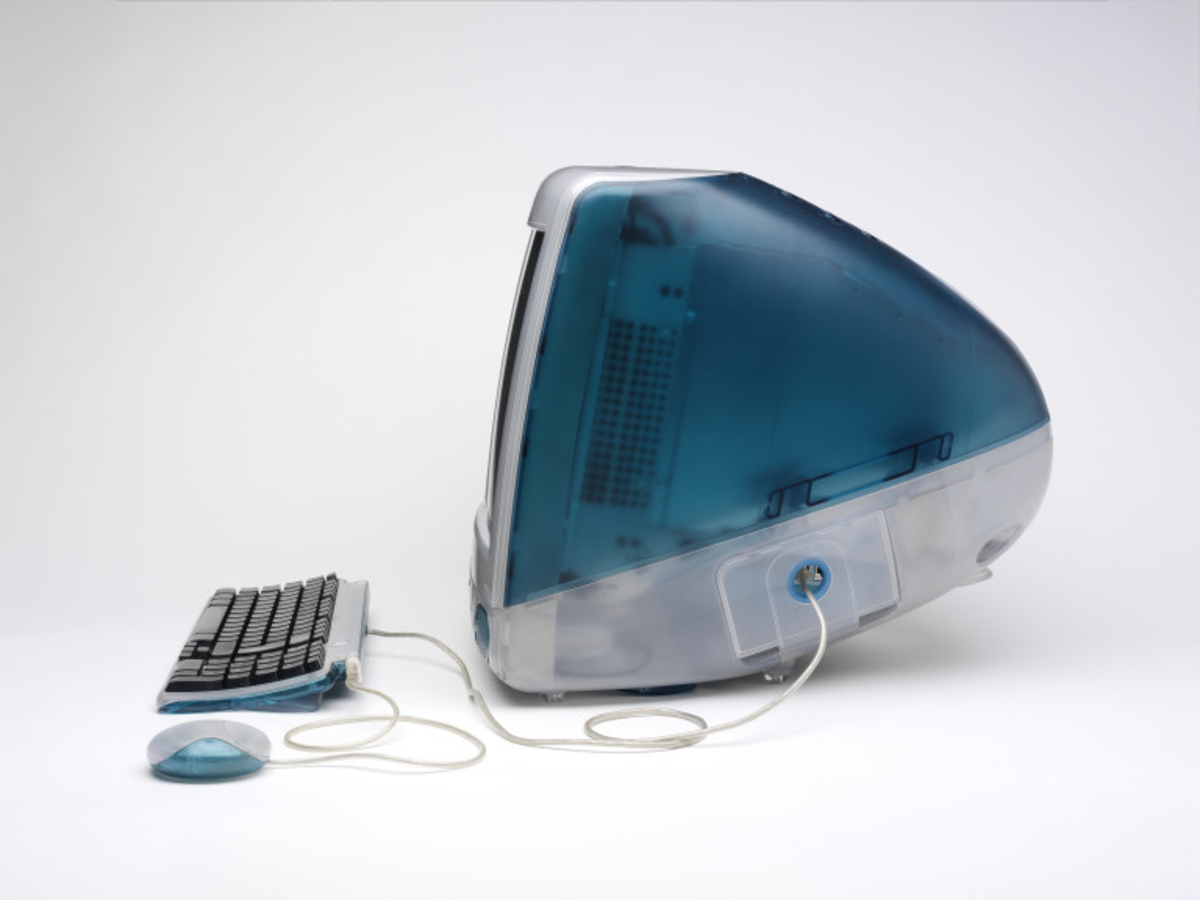
Apple were pretty significant in the development of both FireWire and USB. They were also pretty crucial in driving the adoption of USB with the iMac. Most PC motherboards at the time had a set of jumpers for USB, but you had to buy the actual ports, which took up an expansion slot on the back, and connect them to the motherboard. It was a huge pain in but as the jumpers were censor-specific so had to look at all the specs and buy the right connector. Some aftermarket cases had USB ports on the front/back, but again you had to buy the right connector for your mobo. So everyone kept using serial/PS2/parallel. So peripheral makers weren’t making any devices either. When Apple released the iMac, they got rid of all of those other ports and only had USB. All of a sudden you started seeing USB keyboards, mice, CD/DVD drives, etc…
Apple is one of the companies behind the USB standard. There are other major companies (especially Intel) but they often make really stupid decisions and I don’t think the world would be using USB today if it wasn’t for Apple coming on board and doing some really awesome work. USB-C for example was designed by Apple. And Thunderbolt - another Intel project - was pretty much exclusive to Apple hardware… and it’s rumoured that Apple pushed intel hard to make serious improvements such as using copper instead of fibre optic and including it modern USB standards (thunderbolt, if you don’t know, is basically PCI-E over a USB cable - it works so much better than a regular USB connection the only drawback is it costs slightly more).
They took KHTML, a niche rendering engine that nobody had heard of which didn’t work for major websites… and made it into the foundation that backs every browser except FireFox.
The ARM CPU architecture was technically an independent company, but Apple provided nearly all their funding in the early days, provided ongoing funding for decades before they did anything interesting, and ARM’s founding CEO was an Apple employee.
Most of the best programming languages in the world, especially modern ones but even some old ones that have been re-architected, depend on LLVM which, while it’s an open source project, for many years was exclusively worked on by Apple (who hired the university student that started it as a side project and gave him an unlimited budget to make it what it is today).
They figured out how to make touch screen phones work. It existed before, but it was shit - in particular typing was unusable and while it wasn’t as good on the first iPhone as it is today it was Apple who was the first to find a way to make it “good enough” and that was some seriously innovative stuff. It looks like a tiny keyboard with touch buttons but that is not what’s going on under the hood. It’s far more complex.
Going forward - the Vision Pro headset has some pretty awesome innovations.
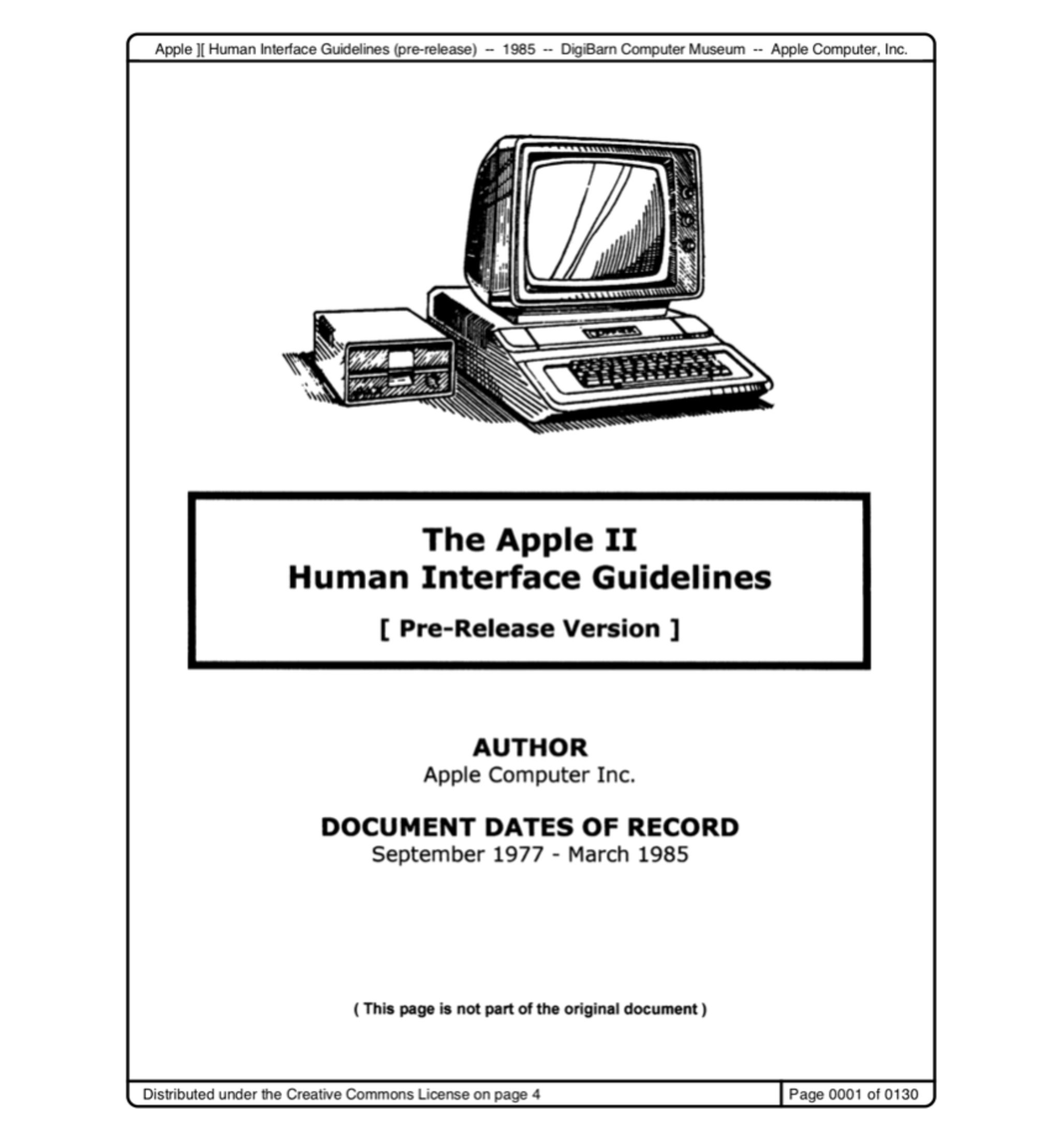
I could go on, but you get the picture. A really common theme is they took something that already existed (e.g. the mouse) and figured out how to actually make it good enough for people to adopt it. It takes a lot of R&D to develop something as comprehensive as, for example, the HIG:
Could someone else have achieved those innovations? Sure. If ARM/Apple didn’t do it… I’m sure someone else would have figured out how to make a fast processor that could run all day on a battery small enough to wear on your wrist. But with that and so many other things, Apple’s work was critical (a lot of that was software, not hardware - for example technology like ARC was critical to reach acceptable levels of efficiency). Somebody else would have done it eventually, but I’d argue Apple made it happen decades earlier than it otherwise would have. And once they proved it could be done, others coped them. Which is awesome - as Steve Jobs loved to quote Picasso “good artists copy; great artists steal” and said they do it shamelessly and expect their competitors to do the same… as long as they don’t steal branding. That’s when Apple’s legal team gets fired up - as they did with the early Samsung phones where everything, even the icons on the home screen which could have easily been unique, looked like an iPhone.
The Ipod interface. Making people move their fingers on a circle for explore menus was innovative.
Which is ironic, because Steve Jobs significantly delayed the iPod’s development by initially demanding that it be a single button interface. After several months of failure, he eventually relented and we got the wheel interface as a compromise. But he originally wanted the entire interface to only be the single button.
That was definitely cool. The next time UI navigation ever wowed me was the Windows Phone UI… (So many people will kill me for this lmao)
I always liked the windows phone, it’s honestly too bad it didn’t last
One of the only pieces of tech news that make me cry internally.
I give Apple indirect credit for touch-screen keyboards. I don’t think they invented them, but their marketing of the iPhone resulted in mass adoption regardless of how good/bad the on-screen keyboard was. And that created market research that led to the significantly better ones we have now.
I remember using one on an original iPhone for a few minutes and thinking I’d never waste my money on it–it was so unpleasant to use that it sullied the whole experience for me. Finally gave in somewhere around 2013 when they had gotten usable and there were multiple options.
They definitely weren’t the first for touch screens, but I definitely agree that they pushed the smartphone industry to put a lot more work into it.
Prior touchscreens were laggy and unpleasant. Apple just gave us a really smooth touch screen (It was good for it’s time) experience compared to what was out there and that forced other smartphone makers to get with the program.
They seem to have a knack for taking something and making it palatable for the masses when it comes to UI and such. I don’t agree with a lot of it, but then again I am not “the masses” in the computing demographics.
Malignant charisma is certainly not new to this century let alone apple itself.
Target display mode let you plug another computer into your iMac, hit a key sequence, and use your iMac as an external display.
Target disk mode let you hold a key sequence at boot and use your Mac like an external hard disk.
Force Touch is something I am not sure that was ever done outside ~the Mac~ Apple. I still love how the trackpad isn’t really a click, but a haptic tap that can occur at a configurable pressure, and does not occur at all when the device is powered off.
LiDAR in a consumer device was unheard of when it came out with the iPad Pro. At the time it came out, I was working in a lab where we used $160k velodyne LiDAR devices. To have one in a $1k tablet was amazing.
Force Touch is something I am not sure that was ever done outside ~the Mac~ Apple. I still love how the trackpad isn’t really a click, but a haptic tap that can occur at a configurable pressure, and does not occur at all when the device is powered off.
The recent Surface laptop also use haptic trackpads. That said I feel like I’m in the small minority that absolute hates force touch which is a real shame because the pre-force touch trackpads was the best trackpads anyone has ever made. I can definitely feel the lack of movement when I use a force touch trackpad and it feels extremely uncomfortable to me. So much that a Macbook is completely unusable without a mouse for me.
I might be missing a lot but I feel the iPhone was a complete market segment they created themselves. Android followed a year later.
They also created the tablet market a year or two later.
They also set the trend of earbuds we have nowadays.
Removed headphone jacks.
Removed power adaptors.
There maybe something else that I might have missed.
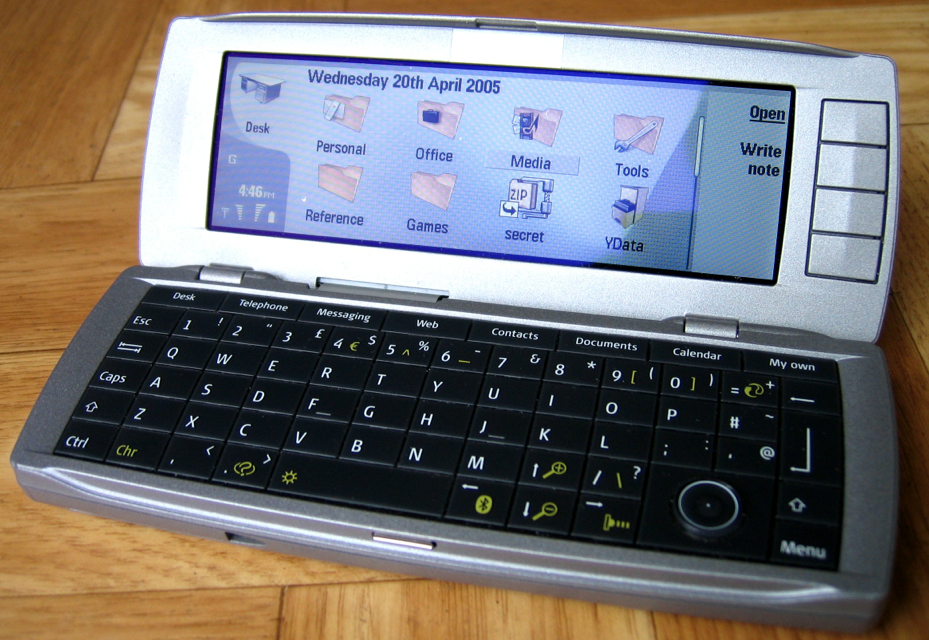
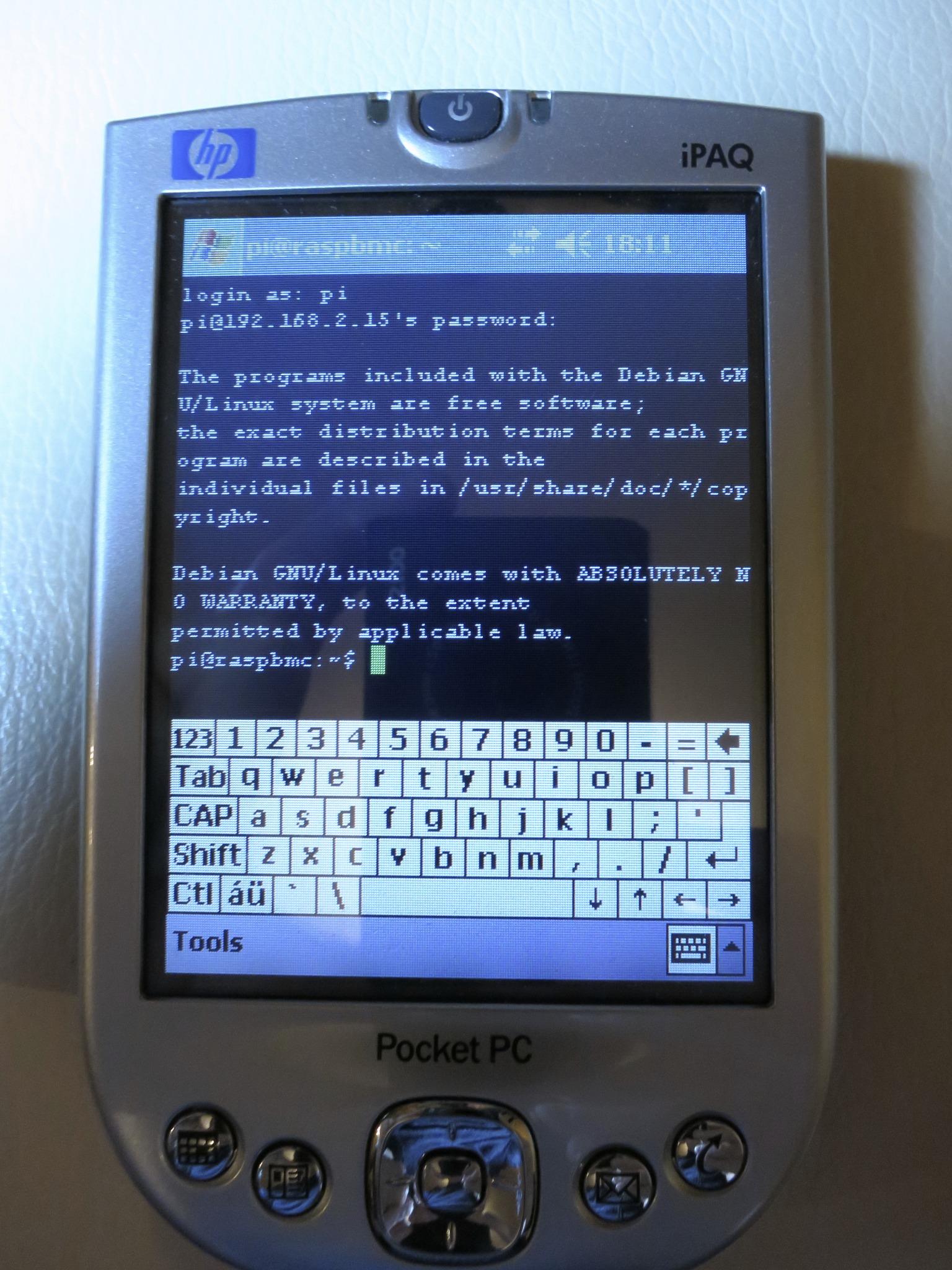
Well, there existed phones that were kind of what smartphones became. Blackberries and Palms get a lot of the attention as they were what executives used, but there were also PocketPC devices that were usually white label manufactured HTC devices that were branded after carriers or some other company like HP. They generally were much larger screened devices with a few buttons at the bottom. They were resistive touchscreens so using your fingers was pretty meh for responsiveness, and the UI was just not designed in a way that was pleasant to navigate. Picture a shrunk down desktop interface. I’d say the UI was the biggest shakeup that they did in the product category, followed by steadily raising the bar for hardware in a space that often would have cheap plastic components. Don’t get me wrong, I think too much glass and aluminum is actually poorer than something like kevlar especially for dents and dings, but it doesn’t look nearly as sexy.
I’d say the UI was the biggest shakeup
I’d say the biggest shakeup was the features Jobs pushed hard in the keynote.
- It was a cellphone. A good cell phone. Everyone had a cell phone and nearly everyone hated them. The blackberry was decent if all you did was send text messages and make phone calls, but it was rubbish at everything else. PocketPC and Symbian and other flip phones were even worse, though each specific model had a different set of feature trade offs (did you ever try writing an email on a small PocketPC device? You had to press tiny keys with an equally tiny stylus and text was almost impossible to read (or alternatively so large that you couldn’t fit enough text. Larger ones were a good experience but they were way too big for most people. Even the iPhone was considered huge at the time (it was much bigger than a blackberry for example).
-
It was an iPod. Everyone (who could afford one) owned an iPod and it sucked having two gadgets in their pocket all day and keeping two gadgets charged. That was the feature that made the iPhone a “must have” product. Combining your phone and music device was a massive improvement and an obvious one even if you weren’t sure about the other stuff. Other phones could play music by then, but they were all still really terrible. I could only fit a single album on my Symbian phone and it took hours of stuffing around and reading manuals and installing buggy software to figure out how to load MP3s onto the device. Yuck.
-
It was able to browse the internet. The real, full internet. Everyone working a desk job was used to doing that all day every day, but now it was possible to do it away from your desk. That was a huge deal and I think by far the most meaningful feature of the iPhone… except it was a product nobody had ever used before, so it couldn’t be the only headline feature.
The facts are that large companies rarely innovate anything major. They tend to buy up smaller companies that have taken the risk and succeeded. Look at Google and Microsoft and tons of others. It’s a problem with growing big. The forces that make a company a successful scrappy little startup die out in the name of organizational efficiency. If you want to know what Apple innovated you have to look at what they did in the 70s or extend your criteria to companies they have bought.
Fair. I was actually looking forward to learning about the old stuff they did since I was definitely sure they’ve done no such thing in the recent years afaik (which isn’t much anyway)
You might like this: Triumph of the Nerds. Covers early Apple, Microsoft, Xerox PARC.
deleted by creator
Will have a look. Thanks!
To answer your main question now that I have a minute to type:
People may not like this but Apple didn’t innovate very much. They were always second to the market. During their renaissance with the imac they were only good at making colourful plastic shells. Moving along they were second to the market for mp3 players. What apple was good at was refining existing products, so for the mp3 player they made it smaller by using a smaller hdd (1.8") and copied the wheel from a tv remote iirc. They were second to the market for smartphones, blackberry was everywhere and nicknamed the crackberry. The refinement on that was that they correctly distinguished between consumption device and creation device. The phone was primarily consumption, so they made a full size screen and a software keyboard for the occasional entry. iPad was a bigger version of that once the price of touchscreens came down.
Outside of specific products they were very good at marketing and branding. Remember those mac vs pc commercials? They had to portray PC as old nerdy, and mac as cool young hip. Or when the ipod came out they had all those dancing silhouettes. They put themselves as the cool brand and slowly became a luxury brand.
Right… Good point.