“Quantum sensors can sense the tiniest of changes in the gravity or magnetic field and use a previously prepared map of these properties to determine their location. Since a quantum sensor does not need to receive or send a signal to an external device, it cannot be hacked or be spoofed by a fake incoming signal either. “
Very cool!
I don’t think it’s realistically possible to do that totally undetected. Since the earth’s magnetic field is so weak and field strength goes down rapidly as distance increases, malicious actors probably couldn’t spoof patterns well enough to make the data look real, at least not without coming very close and staying near their target.
A magnetic field is an external signal - the Earth’s magnetic field is actually incredibly weak…
10x better performance than GNSS … positioning accuracy of 1 nautical mile. Cheap old school handheld GPS out in the woods was accurate better than 10 feet most of the time, so what in this performance is 10x better? 10x more resistant to jamming? Seems like it should be completely impervious to jamming. 1 nm accuracy is useful, but hardly better performance.


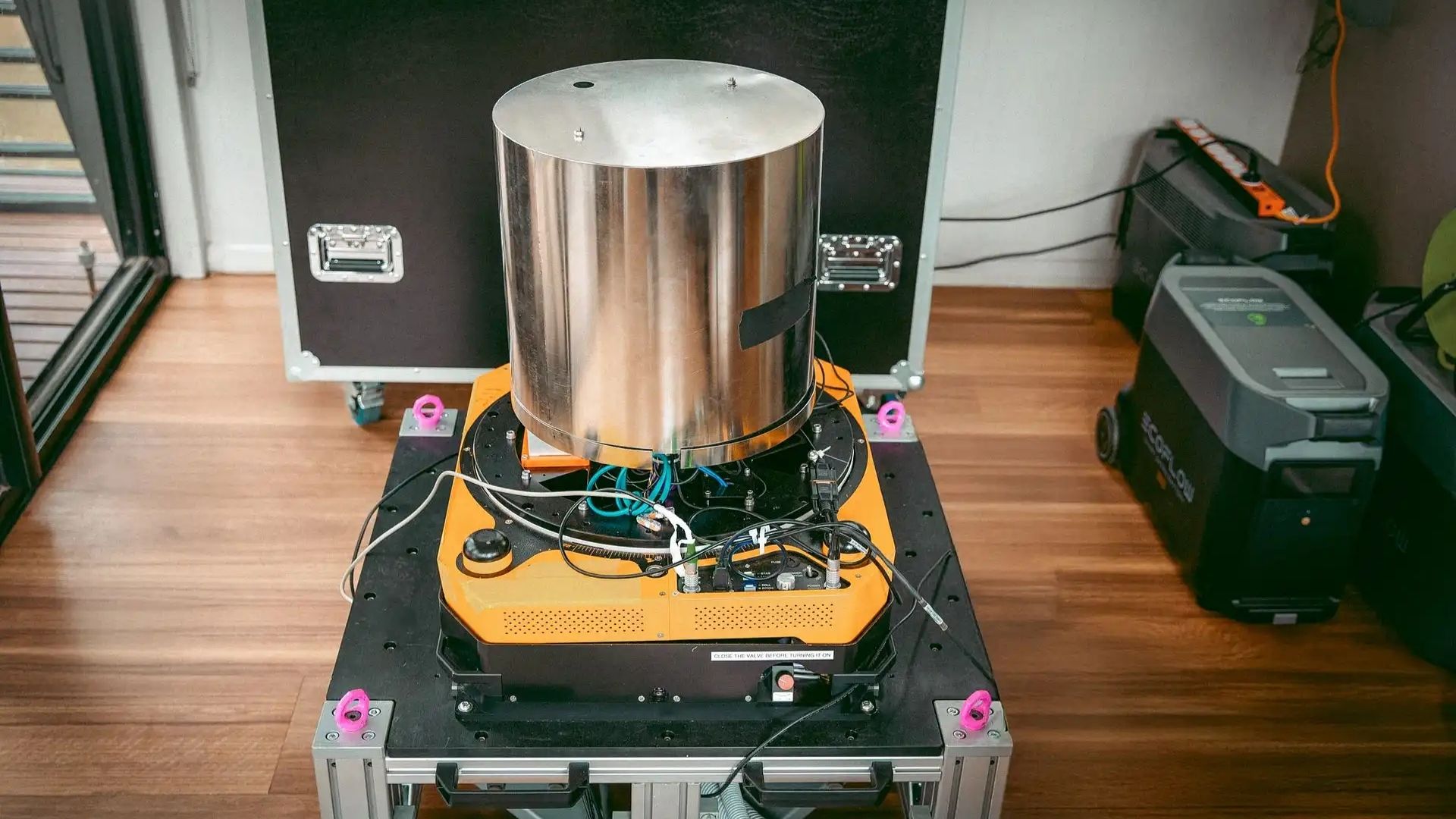
“Quantum sensors can sense the tiniest of changes in the gravity or magnetic field and use a previously prepared map of these properties to determine their location. Since a quantum sensor does not need to receive or send a signal to an external device, it cannot be hacked or be spoofed by a fake incoming signal either. “ Very cool!
*Cant be Non-magnetically hacked
I don’t think it’s realistically possible to do that totally undetected. Since the earth’s magnetic field is so weak and field strength goes down rapidly as distance increases, malicious actors probably couldn’t spoof patterns well enough to make the data look real, at least not without coming very close and staying near their target.
You don’t need to hack the quantum sensor. You’ll hack the regular computer around the sensor.
So, like terrain-matching, but gravity field. Cool!
Two issues I have with the presentation:
A magnetic field is an external signal - the Earth’s magnetic field is actually incredibly weak…
10x better performance than GNSS … positioning accuracy of 1 nautical mile. Cheap old school handheld GPS out in the woods was accurate better than 10 feet most of the time, so what in this performance is 10x better? 10x more resistant to jamming? Seems like it should be completely impervious to jamming. 1 nm accuracy is useful, but hardly better performance.
For those confused:
nm means Nautical mile here, not nano meter
Why do we expect this quantum map of gravity and magnetic fields to be permanent?
It is not permanent, but the changes are slow enough