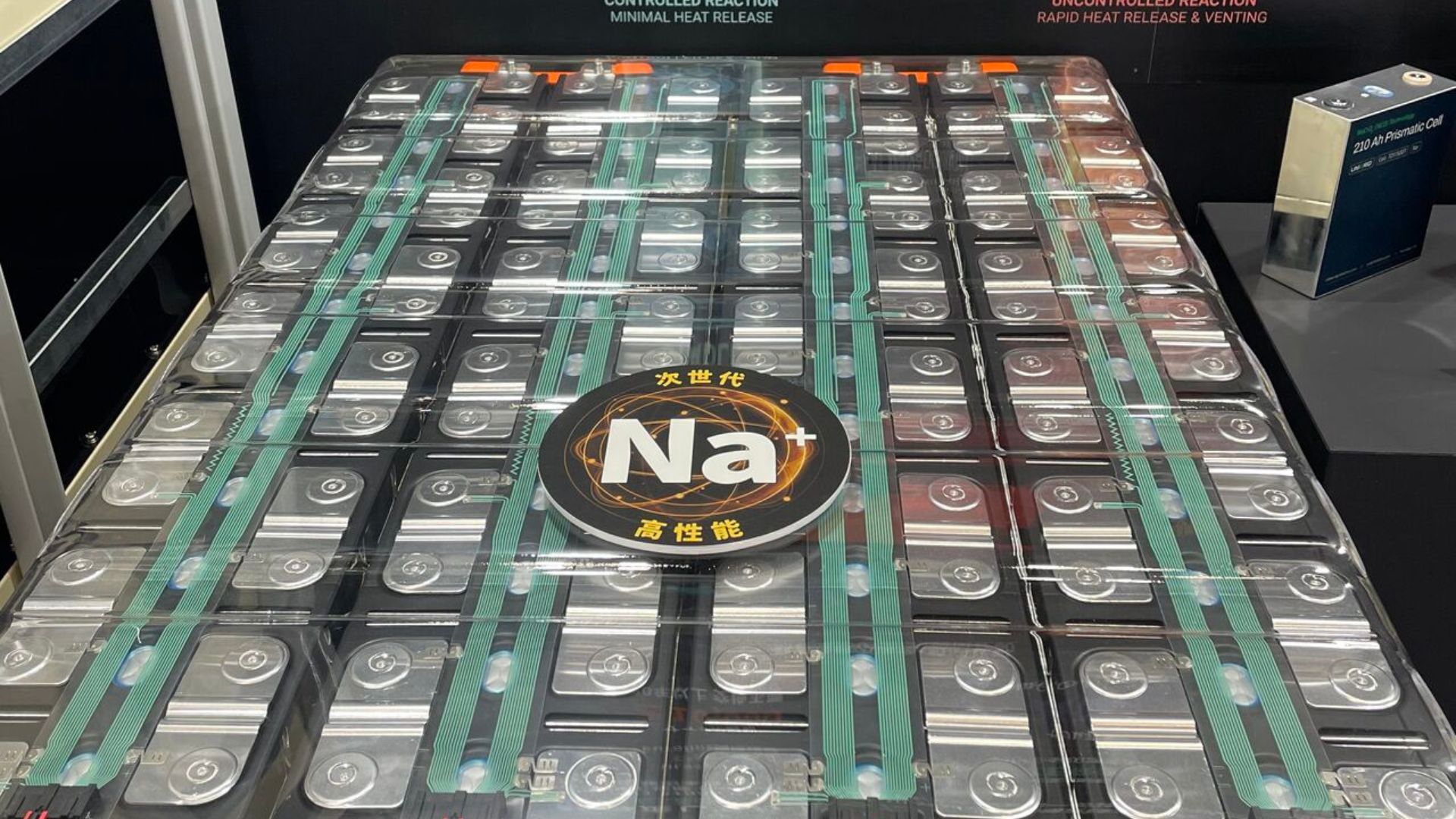
I’ve been hearing about these for a few years now. Huge if they work out at a large scale.
Any info about energy density?
CATL’s that went into mass prod sometime ago are 175Wh/kg.
I think they are testing Unigrid battery model 72173207 (terrible name). That is their 210Ah NCO prismatic cells.
I found this spec sheet. No definitive metrics, but someone else could do the napkin math.
72173207 (terrible name)
That’s my daughter’s name. It was my great grandmother’s name.
Sounds Arabic
We’re Episcopal Numerologists.
Commercialize it? Oh this one could be real
Archive link: https://archive.ph/Xe3BU
https://interestingengineering.com/energy/unigrid-sodium-ion-battery-tech
This page couldn’t load
Reload to try again, or go back.
What is this shit? The page loads perfectly, then goes blank. They just fucking pretend to be broken because of some ad blocker or something. Why is the internet getting worse all the time. I don’t want you fucking layout, share buttons and other garbage.
I got the same error but hit reload and then it loaded fine.
Ah what the heck after the 5th time reloading it did work lol
Idk, sounds like a you problem fam.
Sorry for ranting lol. But it pisses me off especially when it comes from science news. Elsevier and sciencedirect is another service that blocks me, and I’m not even using a VPN or super secure browser.
Soon more and more webpages will only work with “authentic Chrome” or some shit, and block all VPNs. And then soon you’ll have to log into chrome. And that will create a permanent link with your government ID. I’m just tired of this predictable evil trajectory of technology. The internet was supposed to destroy tyranny, not join it!
I hear ya, it is fucking annoying.
Do you think this battery tech will be applied to portable power tools?
Afaik they are mostly intended for large scale grid storage where weight doesn’t matter. Or even efficiency, you can just add more super cheap solar panels. Their biggest advantage is longer lifespan though that makes them viable as a infrastructure project. Price and longevity is really all that matters for grid storage.
So they are a bit heavier than lithium ion batteries but could still work for many applications. Could be great for a solar powered catamaran for example. They are I think safer too.
PS: Actually I was thinking off the “sodium iron pyrophosphate (NFPP)” battery from CATL (see this video), but I think they are comparable.
Nope. Too heavy for the power capacity.