But as long as people have some brain, if the market gets a majority of “smart” devices to the point there’s enough people looking for alternative, some people are likely to try and fill the gap. It might become a new niche market, but it’s one place where supply and demand will work to our advantage.
Yep. Just don’t connect it. Or connect it once a year to get some firmware updates if one wants (or better yet use a USB stick).
I have a good Samsung TV, but when I had it connected to the internet the UI would be painfully slow every time I needed to switch inputs (I have most things running through my receiver, but my PC was straight into the TV). Turning off all internet functions vastly improved my experience with this TV.


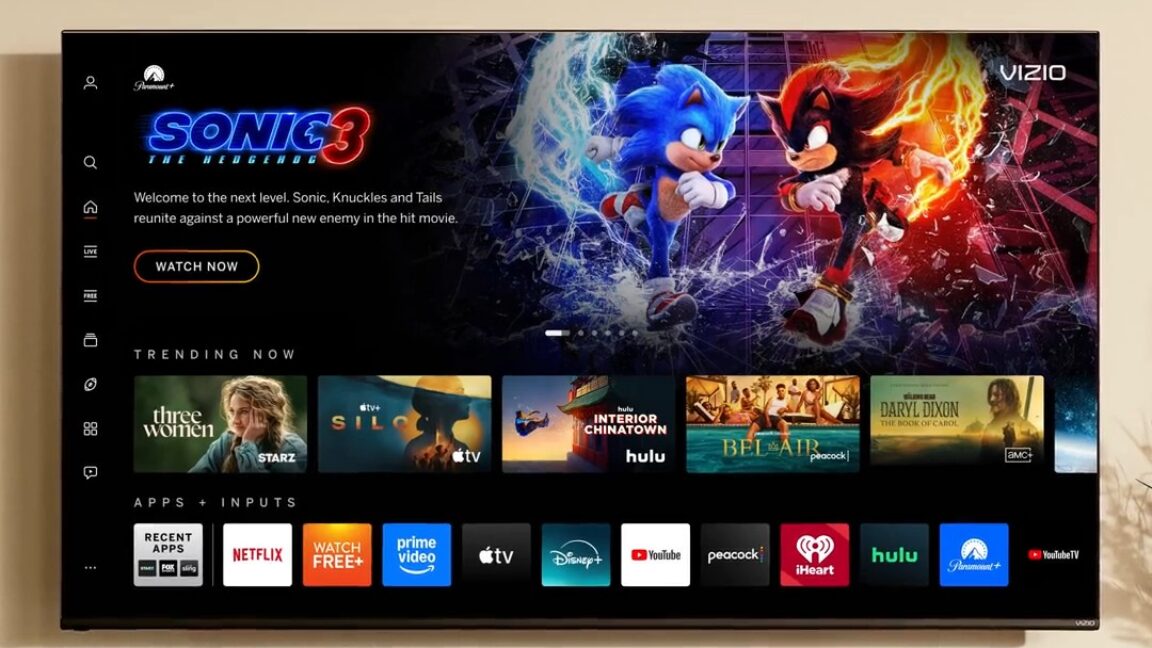
Don’t plug in a Ethernet cord, and don’t connect it to Wifi.
Now you have a fully functional TV screen that wont be artificially bricked with OS updates.
Get a dedicated “streaming device” like a Nvidia Sheild, Android TV, Apple TV, or Roku and you are good to go.
Until the next one refuses to even pass through HDMI if it’s not connected.
Just don’t buy shitty devices.
And what happens when the shitty devices are literally the only ones available?
Well, too bad. Do something else.
But as long as people have some brain, if the market gets a majority of “smart” devices to the point there’s enough people looking for alternative, some people are likely to try and fill the gap. It might become a new niche market, but it’s one place where supply and demand will work to our advantage.
In that case, the answer has to be shop for used or do without.
Yep. Just don’t connect it. Or connect it once a year to get some firmware updates if one wants (or better yet use a USB stick).
I have a good Samsung TV, but when I had it connected to the internet the UI would be painfully slow every time I needed to switch inputs (I have most things running through my receiver, but my PC was straight into the TV). Turning off all internet functions vastly improved my experience with this TV.