What strikes me is not the bandwidth achieved but the precision of the technology to aim the laser. 19 million miles is a great distance to successfully aim a beam of light. As this technology develops, real time communications with objects in orbit like around Mars will be possible.


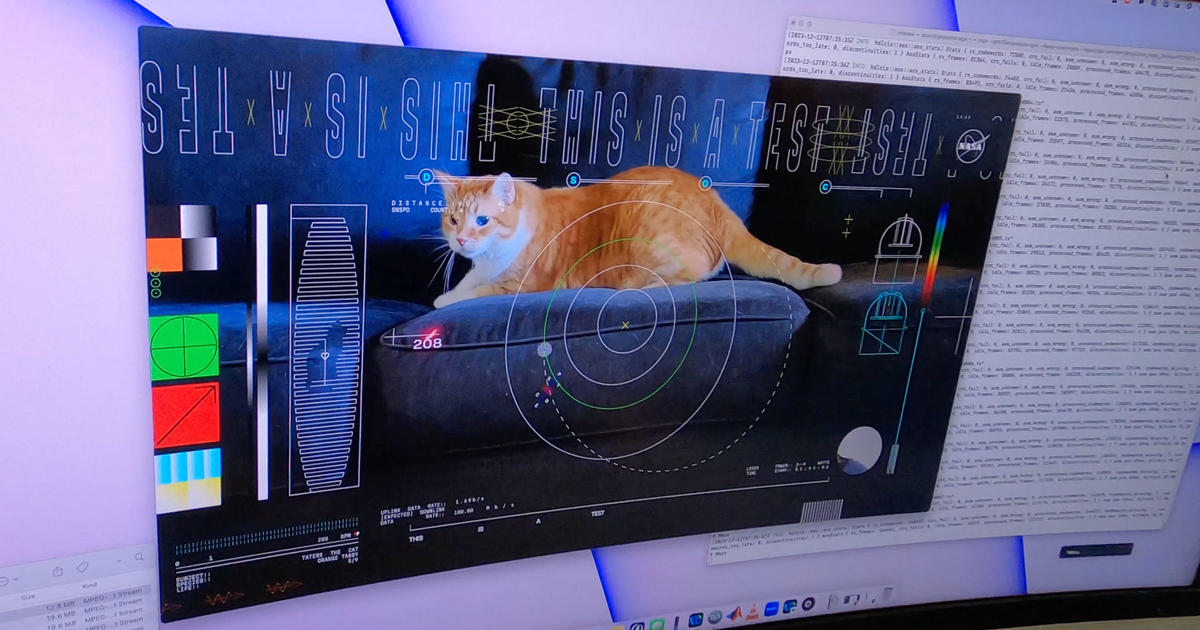
What strikes me is not the bandwidth achieved but the precision of the technology to aim the laser. 19 million miles is a great distance to successfully aim a beam of light. As this technology develops, real time communications with objects in orbit like around Mars will be possible.
Well realtime is just not true. But cool technology nonetheless.
deleted by creator
deleted by creator
Yes, the high latency and intermittent connectivity is a big challenge. Delay tolerant networking (DTN) is one good way of solving this problem.
https://en.m.wikipedia.org/wiki/InterPlanetary_File_System
I think the issue, again will be date and time.
DDMMYYYY + Planet + Orbit?
UTC and forget
I’m sure several OSI layers have already been modified by NASA to suit their needs. But, the protocols will pretty much remain standard.
The beam is reeeealy wide by the time it gets there. Still a great achivement, though.
I presume that we’re not yet concerned with what the Ansible tech awoke in the vast emptiness between, hmm?