

☆ Yσɠƚԋσʂ ☆
- 74 Posts
- 28 Comments
 1·1 month ago
Yeah basically, a turn key solution where your machine gets wiped and imaged with a Linux distro that does all the basic stuff most people need would be an ideal solution. A good way to look at it would be making sort of a Linux based console for non technical users as opposed to a general purpose computer. Tech people want the latter, but non technical users just want a reliable tool that can reliably handle a few tasks.
Indeed, it kills me how much perfectly hardware is constantly thrown out because Windows refuses to run on it.
I think the trick has to be that somebody who has a bit of technical skill sets the laptop up initially. I did this for my mom a while back, and once I set it up once, it just worked from there on. Non technical users tend to have a fairly small set of things they need to do like check email, browser the web, and play media. Once that’s working, they never need to change anything. In fact, they don’t want to change anything because they get used to the workflow, and they’re comfortable.
It would be great if people set up community centres where people can bring their old laptops, and somebody switches them over to Linux for them.




Yeah, pi3 isn’t quite there yet to drive a laptop. I expect RISCV to mature rapidly as well. There’s going to be a ton of money poured into it, and it’s always easier to do things the second time around. Apple has done a lot of the hard work designing the architecture o M series chips, and I imagine a lot of it will inspire RISCV designs now. This project in particular seems pretty promising as it specifically aims to deliver high performance designs https://github.com/OpenXiangShan/XiangShan
wonder if they use riscv chips

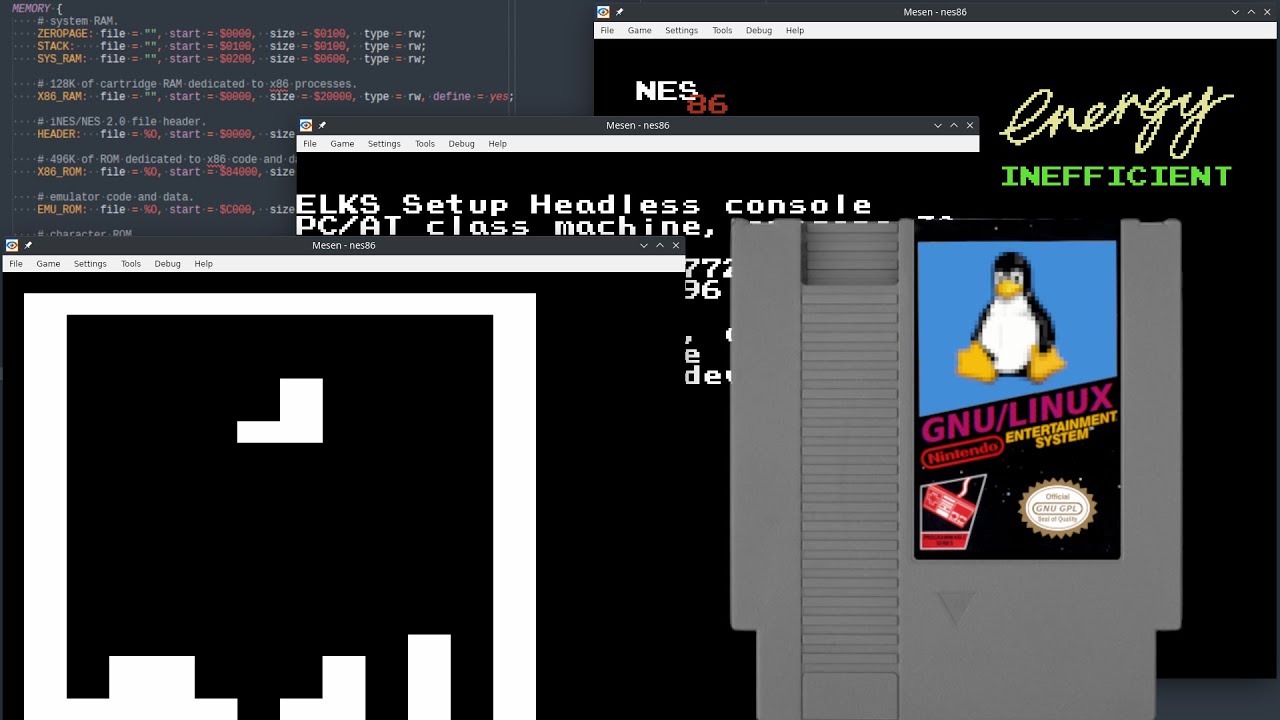
naturally, although the video just does it using a rom
 1·6 months ago
As I said, in terms of engine and gameplay they’re fine, but the aesthetic polish is lacking in my opinion.
I’d really love to see a polished version of Quake 3 as open source. I know Nexuiz exists, but it’d be nice to see some work done to make it look nicer and more visually consistent. I find aesthetics tend to be the weak spot for FOSS games in general.
I find codium is pretty great overall. It’s become my daily driver now.

I got Asahi working on M1, and everything works fine aside from the camera and hibernation. The second is a bit of a bummer cause the battery keeps draining fairly quickly even when you put it to sleep.
I really like fish because it has excellent contextual autocomplete based on the folder you’re in. I haven’t used any other shell that was as good at it.
Do explain how you dupe people into contributing free labor and do a switcheroo with an open source project. All the app does is just provide a nice UI for running models.








lol right, I guess people hate finding out that OpenArena is actively developed :)
Xonotic is very polished and has an active community https://xonotic.org/
Yup, it’s frustrating that there’s still no process that’s easy enough for a non techie to go through easily.