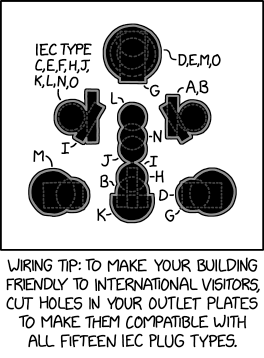
xkcd #3186: Truly Universal Outlet
Title text:
Building Inspectors HATE This One Weird Trick
Transcript:
Transcript will show once it’s been added to explainxkcd.com
Source: https://xkcd.com/3186/
You must log in or # to comment.
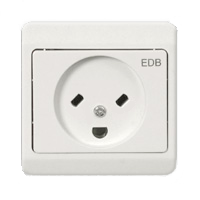
The only truly universal solution
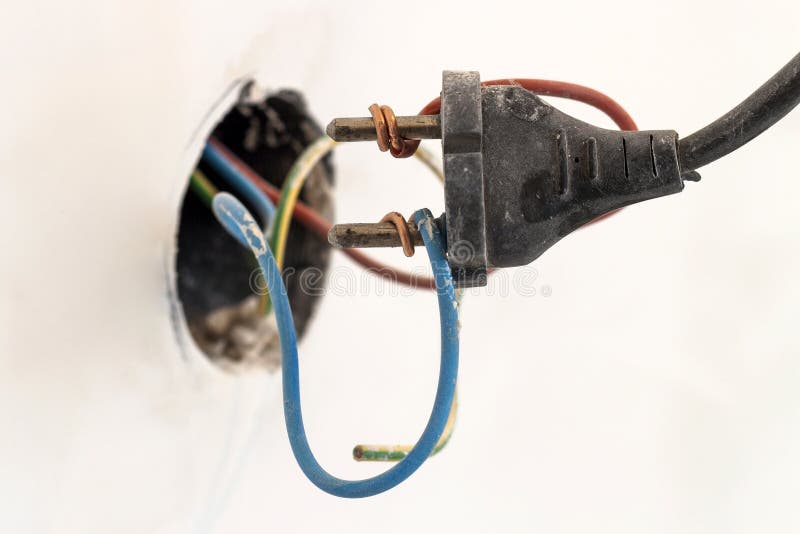
From schuko to shocko
It might be a final solution too if you’re not careful…
I think Randal would enjoy my plug adapter
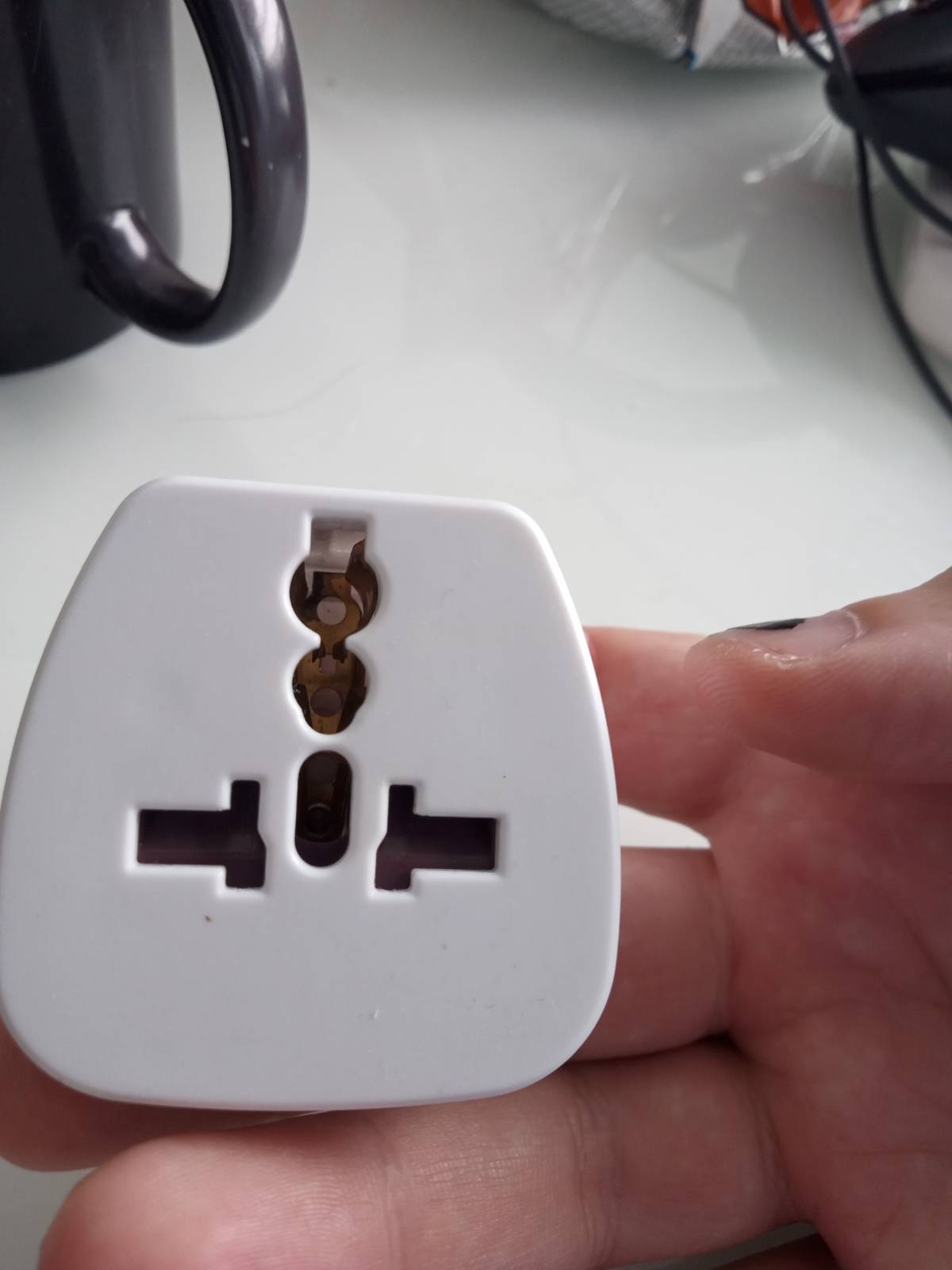
This also makes me wonder why the xkcd one was laid out like that. Is the xkcd one better/safer, or was it done that way to look more insane.
On yours, the Canada/US and UK layouts overlap, while in the xkcd one they’re opposite to each other.
I think it’s because mine doesn’t have Schuko (type f) support … probably because it’s real? And maybe because his adaptation uses “Euro”/A combination, wheras mine uses vertical axes for the “euro” plug.
N/L are “reversed” on the UK BS1363 standard vs US/EU Earthed plugs. By having two sets of N/L you can ensure that they are always correctly wired.
This is often why some adaptors seem to be “upside down”
Most devices can handle N/L being swapped, though.
As an engineer, thinking of designing the metal connectors needed for this, this gives me nightmares.
Simple, just use a metal mesh in each hole. Make sure it’s a really thin mesh too, like practically steel wool. Pushing 1500 watts through steel wool has never caused anyone any problems ever.
thisisfine.gif
Seems to be incompatible with some plugs, after all:

For some reason the image doesn’t seem to work for me, so here’s the link to it, too
😏
I actually have a really annoying problem in that I cannot find any universal adapter that has a real ground pin.
All of them only have prongs for the hot and neutral wires, and sometimes a dummy plastic ground to grip the socket better.
I understand that 99% of the time, modern electronics don’t need a ground cable and its only there for safety, but it would still be a lot more comforting knowing the ground is actually connected.
I even considered modifying an adapter with a ground cable I can manually insert into the socket.
Ground is always there just for safety. It is supposed to be connected to any metal bits on the outside of any device, so that if a live wire touches the outside it just shorts and some fuse blows or circuit breaker trips, rather than providing an unpleasant surprise to anyone who touches it.
Most modern electronics is “double-insulated”, meaning there are at least two layers of reinforced insulating material between any mains-carrying conductors and the user. This is deemed to be safe enough so that those devices don’t need to be grounded, and if the case is plastic then they will almost never be. So if you’re only connecting plastic-cased electronics to the socket, a ground would be superfluous in almost all cases. There might be some exceptions, like power supplies connecting one of the low-voltage pins to ground, but it is quite rare to see.
That lowkey looks like christmas tree
biblicaly accurate outlet
What about the voltages and the hz?
Yes.
Put the plug in upside down to get 220V.
You can switch from 60hz to 50hz by rotating the plug fast enough
I have faith that we will eventually standardize plugs internationally. Assuming we avert the apocalypse, that is.
There really is an xkcd for everything.
Electricians hate this one weird trick