

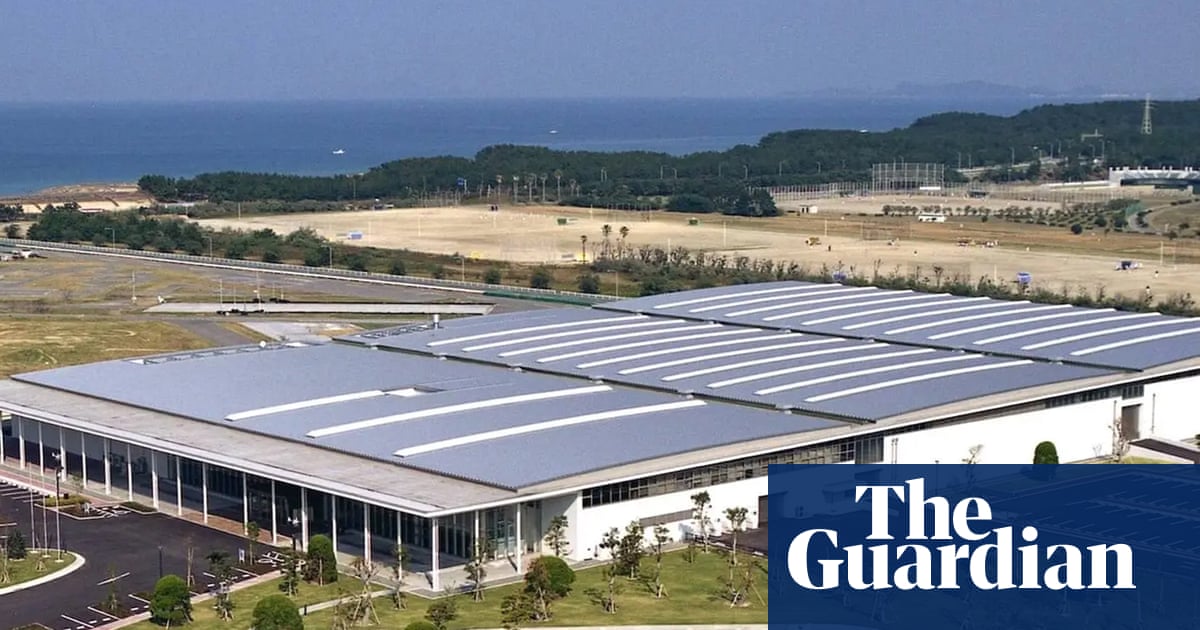
It’s not -a lot- of electricity … a couple of thousand kWh per day. It’s also used to de-salinate ocean water … of which there’s plenty.
Combine salt and water to create electricity to power a desalination plant that removes salt from water. I am sure there is more to it, but the article sounds like it’s one of those mad perpetual free energy schemes that defy the laws of physics.
If they’re mostly using electricity or even combustion to evaporate the water (as opposed to sunlight), there’s no chance that the concentrated saltwater creates more electricity than it costs - it’s only maybe useful if the saltwater is actually a waste product.
They are just re-capturing some of the energy the system spent turning salt water into fresh. Because that results in extremely salty brine water waste, you can get some energy as it gets diluted back down to sea water concentration.
There no “new” energy in the system, it’s just wasting less.
Isn’t efficiency just getting closer and closer to a perpetual machine? Using science and the physics to the absolute limit!
I sounds more like it makes electricity out of fresh water, destroying it in the process (turning it into saltwater through osmosis/dilution). Sure… if there is some crazy salty water you have, and want to turn it into “still salty, but maybe less so”, you can indeed gather a tiny little fraction of the power.
But given that fresh water is also a precious resource in many places, this seems relatively niche.
From what the article says, it’s actually a pretty cool way of improving desalination plants. They use the left over brine, from desalination, that has a very high concentration of salt, and use it as the high salt concentration side, with regular seawater being used on the other side. This both gives them free energy and reduces the side effects of pumping that extremely salty water into the sea by diluting it.
I’m hoping soon that the salt is used to make batteries.
Here before the idiots who comment misinformation about Japan show up

