On the moon, the gravitational pull is six times weaker than on Earth. For decades, researchers testing rovers have accounted for that difference in gravity by creating a prototype that is a sixth of the mass of the actual rover. They test these lightweight rovers in deserts, observing how it moves across sand to gain insights into how it would perform on the moon.
It turns out, however, that this standard testing approach overlooked a seemingly inconsequential detail: the pull of Earth’s gravity on the desert sand.
Was it a critical flaw or was it simply ignored despite being well known?
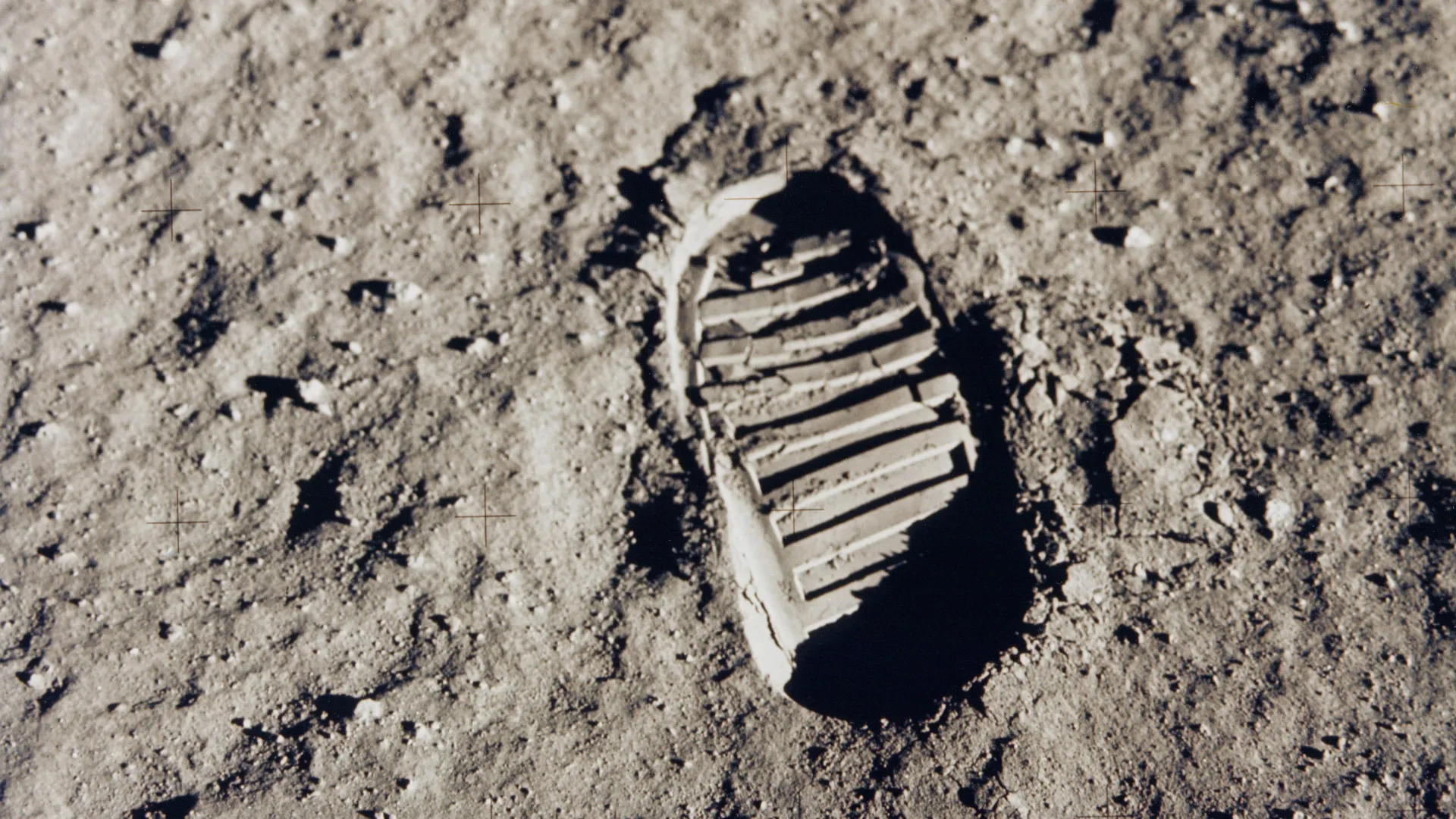
I remember watching footage of the LRV’s they used on the Apollo missions and thinking that the “sand” looked really lightweight. I also remember reading that one of the complaints from those missions was that the moon dust was really fine and seemed to get into everything.
I have a feeling someone who worked at NASA proposed this as an issue and leadership ignored their concerns.
So basically astronauts hate the moon dust. It’s lightweight and fine and it gets everywhere.
Yeah I’ve also thought about this before and I’m pretty sure it was even covered in that recent movie about faking the moon landing. It could just have been missed though, everyone else assumed it was covered years ago and so no one thought to recheck.