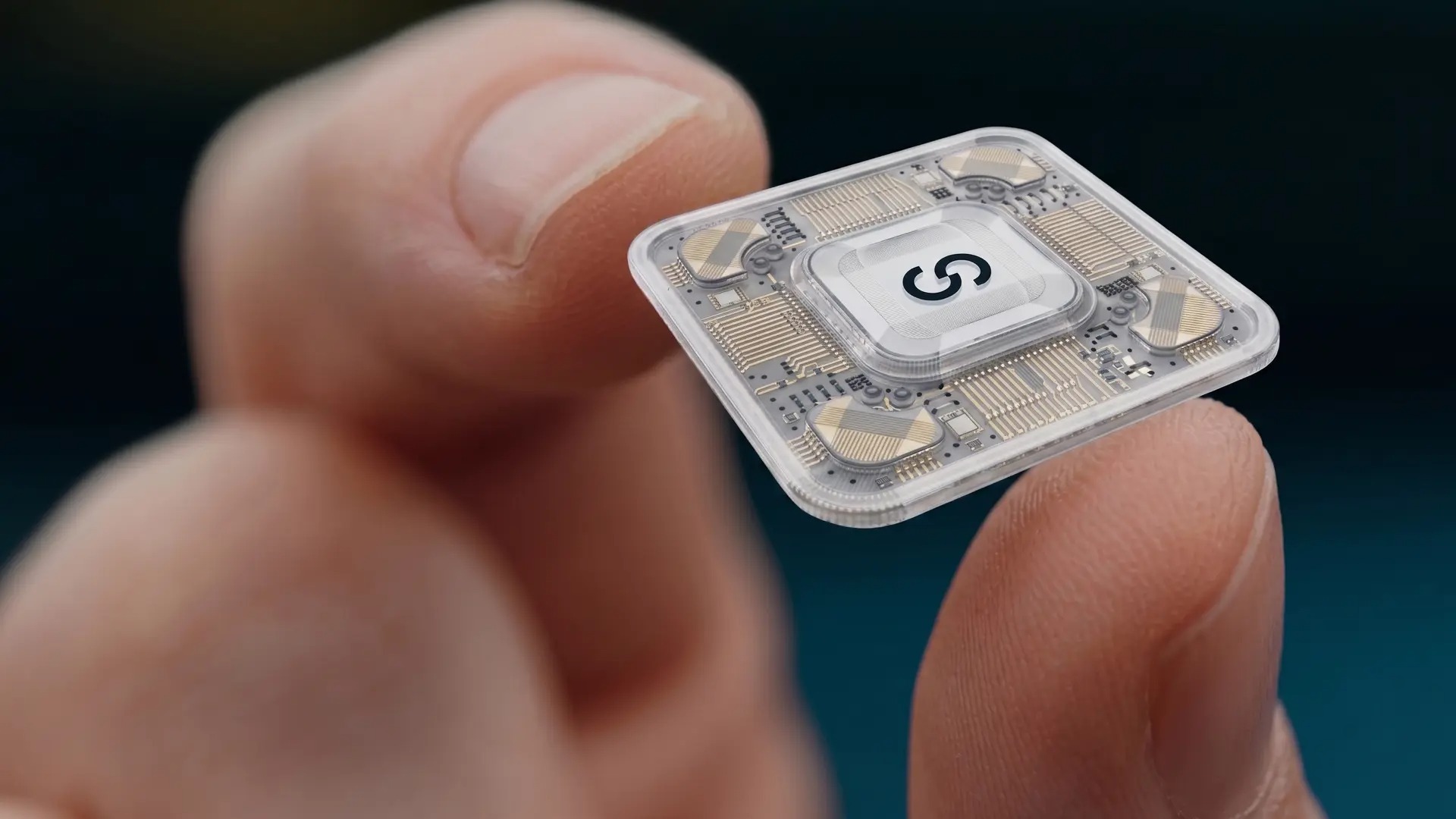
Leipzig startup SAXON Q used sulfur co-implantation to lift qubit yield from 10% to 85%, enabling server-rack systems shipping within 90 days
quantencomputer konnten immer schon bei raumtemperatur laufen, die frage ist nur, was dann noch der kohärenzgrad ist. also wie viele rechenschritten können hintereinander ausgeführt werden, bevor der zustand im system zerfällt?edit: sry english translation:
Quantum computers have always been able to run at room temperature, the only question is what the degree of coherence then is. So how many calculation steps can be executed in a row before the system’s internal state decays?
"…
a Leipzig-based startup spun out of Universität Leipzig (Germany) in 2021, just announced two diamond-based quantum processors — the SXQ128 (128 qubits) and SXQ512 (512 qubits)
…
The technology hinges on nitrogen-vacancy centers — point defects in synthetic diamond where a nitrogen atom and an adjacent gap in the crystal lattice form a spin qubit that maintains coherence for milliseconds at room temperature. Well-documented physics, in other words. The manufacturing was the wall.Historically, only 1 to 10 percent of implanted NV centers actually worked. Think of it like running a chip fab where nine out of ten processors come off the line dead — for thirty years straight. SAXON Q reports its patented sulfur co-implantation process pushes that yield above 85 percent, enabling the dense, predictable qubit arrays needed for scalable production. Gate fidelities reportedly hit 99.92 percent, meaning fewer than one error per thousand operations.
… "