Next post just below this one: Rhine river near Cologne at record low.
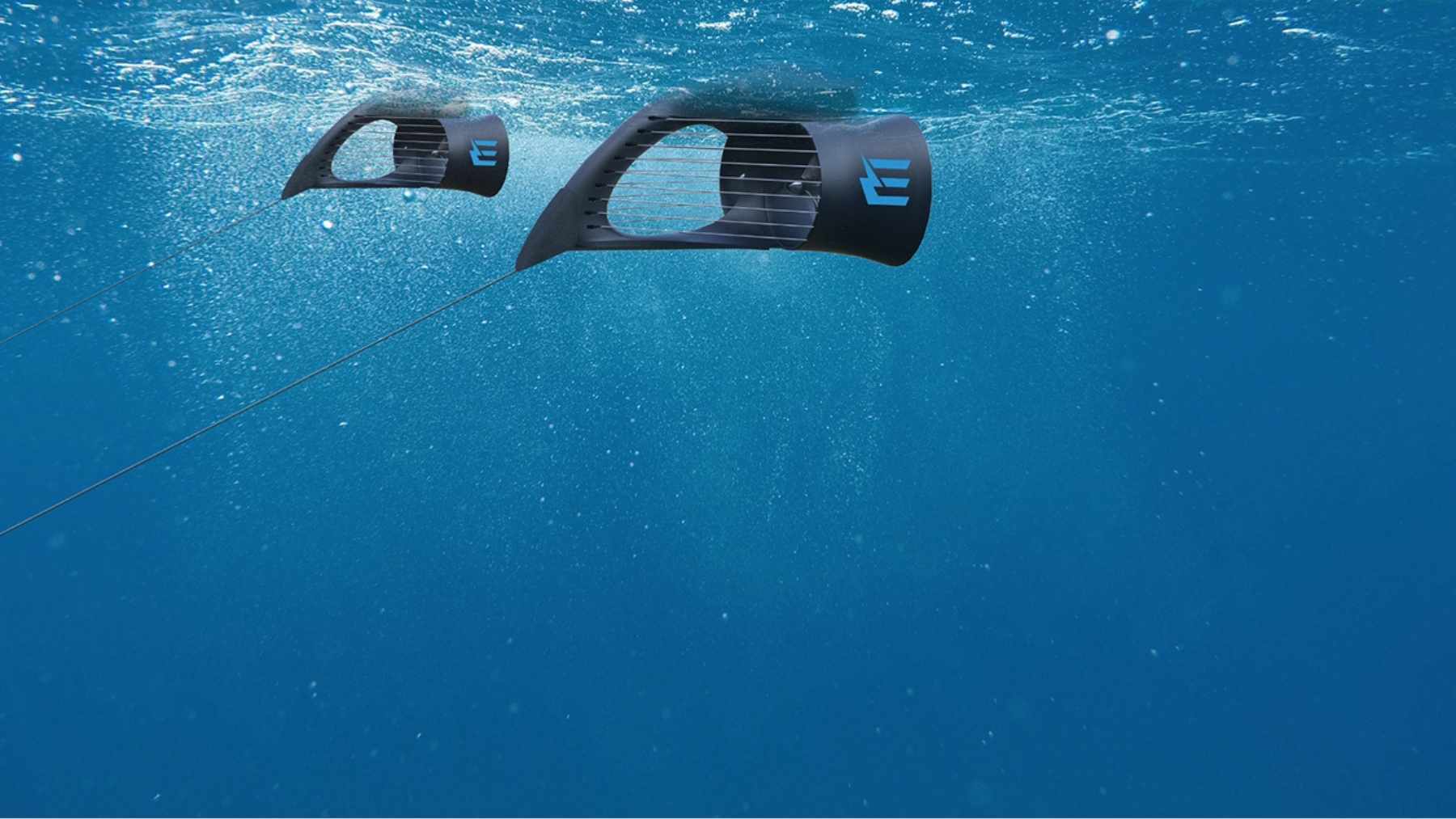
Will there be enough water for ships on the Rhine once they activate all 124 turbines?
/s
Those poor whales -trump
There’s little use for these in summer anyway
So, like very hydro power plants, just with a lot less power and geographical impact.
Also, a lot cheaper because you don’t need literally thousands of tons of steel reinforced concrete.
Which also cuts down on the carbon footprint of the energy generated.
Also probably not useful in a decade because Europe is drying out. We’re seeing droughts hitherto unfathomable.
Thou preachest!
There is also the Pelamis Wave Power Technology.
The company which developed it was bought by E.ON and shut down. But seems like China has copied it (there are several articles in The Guardian about that), and continues to develop it because it is a superb principle.
So hydroelectric. Yes, we have known about that forever.
Yea but doing it without a dam is pretty cool
Ahh the gap that folks like Trump talk about that isn’t significant at all.
The gap is already solved with batteries, chemical and mechanical batteries.
Salt. The condiment basil and thyme never could replace.
Sounds cool. Naive question: you need many of them. Thousands or more. Is that not going to further slow down the river’s current, which in consequence will provide less for the turbines further down the stream? And so on… There is no comment about that in the article.
Lets think about that.
- The rivers flow rate is the product of its cross section times the flow speed.
- The flow rate is also the sum of all the runoff and streams that end in the river above any given point.
So, if what you assume were true, the flow speed would sink. The ingress flow rate would not reduce though, why should it, so the only way to keep the ratio between flow speed and cross section, aka the flow rate constant would be to increase the cross section area. So, the water level would have to rise, no other way to achive that. So the question is: “Will the river in its entire length raise its level when we put these turbines in at any point?” - that would be a great way to get hundres kilometers of deeper shipping lanes for free, but no, of course it won’t.
The world is working on another plan to give us deeper shipping lanes and this one will be global!
They invented water wheels.
That looks like a navigation hazard?
Totally. It’s Germany and therefore everybody can install stuff in a major waterway without any regulation. The company also installed them in the middle of the river where all ships are going in order to sink them.
They probably ignored navigation when planning and then installing these. It will be a great oopsie